
Account health whiplash
Sudden metrics shifts, opaque risk scoring, and “fix it” loops that never explain what fixed means.
For Amazon marketplace sellers
We thank Jeff Bezos for building FBA — the program that let independent brands scale with world-class logistics. And because he taught Amazon to love customers who are divinely discontent, we believe sellers can bring that same constructive hunger to the partnership.
Join sellers who thank Amazon for the opportunity — and still have something important to say.





Editorial portraits of Jeff Bezos for this site (likeness references from public photographs). Not official Amazon images.
Gratitude first
Fulfillment by Amazon changed what independent brands could attempt. Overnight shipping credibility. Prime eligibility. A logistics network small operators could not have built alone. Millions of sellers built payrolls, product lines, and family businesses on that foundation. That deserves thanks — not amnesia.
And we have feedback. The same Day 1 culture that invited third-party sellers onto the detail page, and celebrated customers who are never satisfied, should welcome sellers who care enough to say when process, policy, or partnership is failing them.
What we thank
What we’re saying back

From the archives
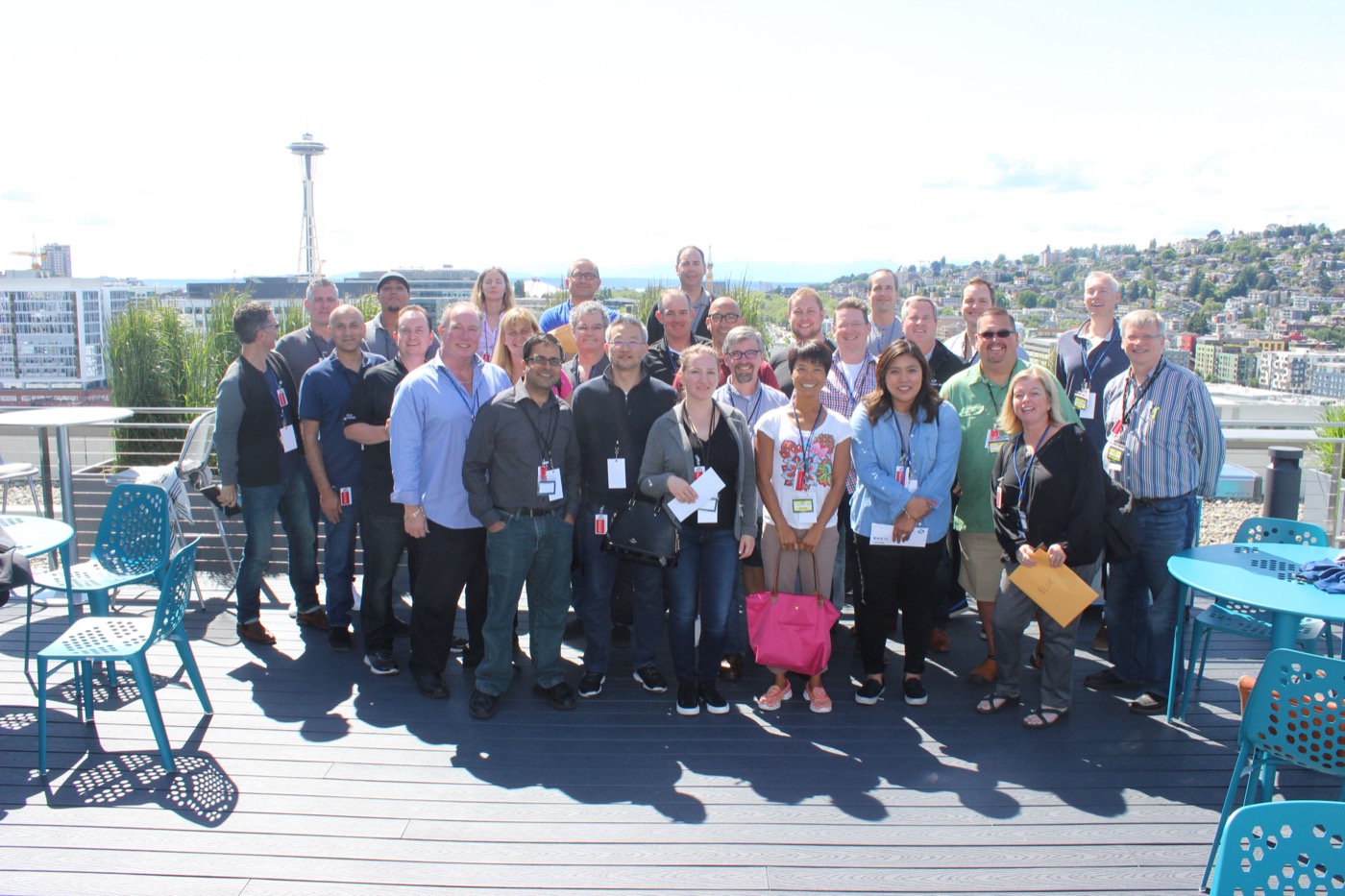
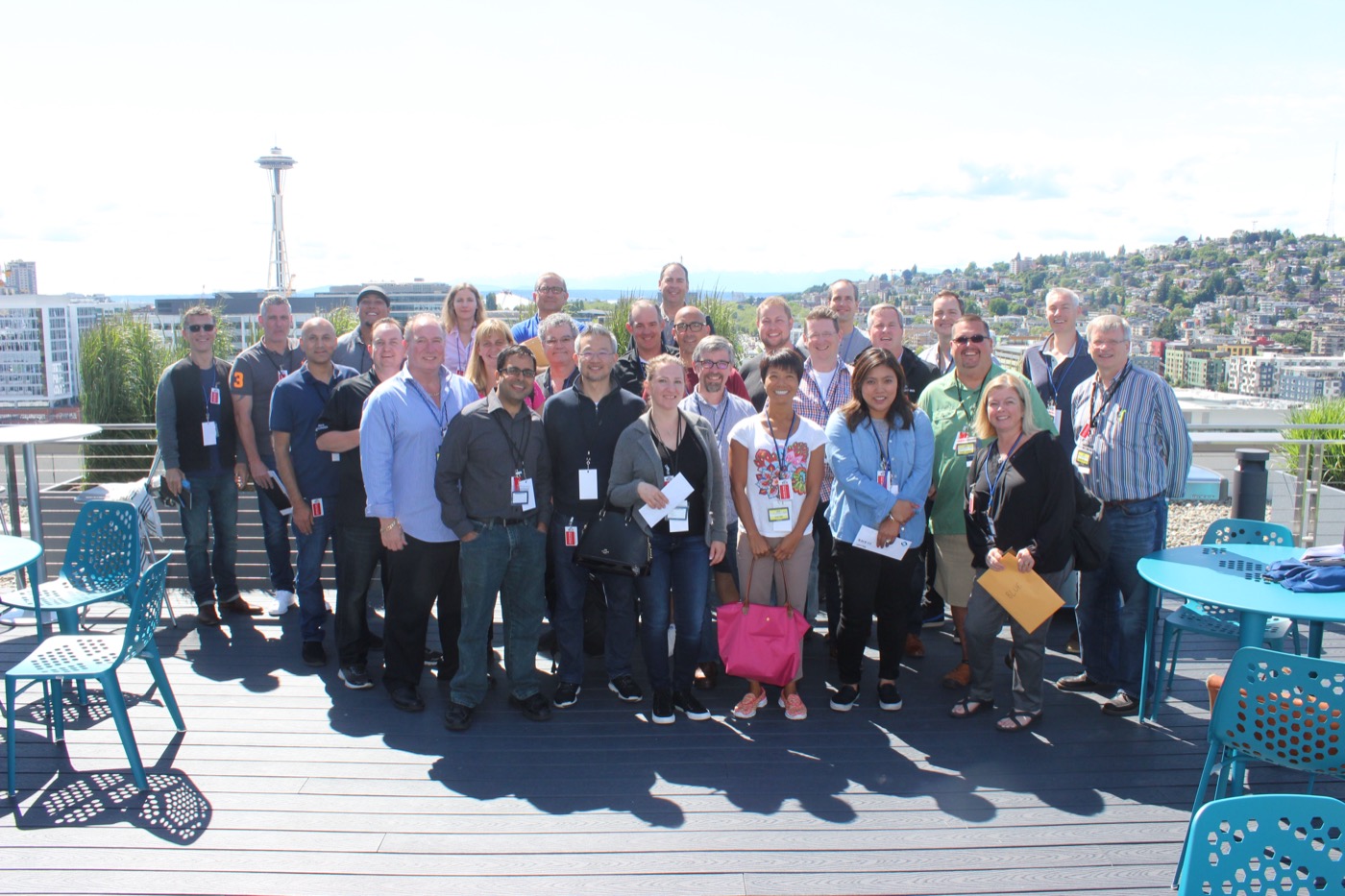
Thank you, Amazon. These photos are from a Seller Love gathering overlooking Lake Union — sellers and Amazon hosts in the same room, sharing a view of the water and a belief that the marketplace works better when we show up for each other.
We are grateful for that past engagement. Moments like these remind us the relationship is human: badges, rooftops, handshakes, and hard-won businesses. We look forward to a future that stays bright for sellers and for Amazon — built on trust, clear process, and the same constructive hunger that built FBA in the first place.

 Steve Simonson →

 Catalyst88 →

 Empowery →

 Steve Simonson →
 Catalyst88 →

 Empowery →

 Steve Simonson →

 Catalyst88 →
 Empowery →

Photos by Steve Simonson. Linked images also lead to Catalyst88 and Empowery. Full credits: media attribution.
Grateful for the invitation. Ready for what comes next.
Seller Love was a gift. Constructive dialogue is how we keep earning the next chapter — together.
Origin story
The name is not a slogan we invented in a workshop. It is a line from Amazon’s own Day 1 culture — language Jeff Bezos used when he described the people who force the company to keep improving. We are applying that same constructive hunger to the sellers who stock the shelves of the marketplace — grateful for FBA, and still divinely discontent about how the partnership works when it breaks.
Jeff Bezos
Founder of Amazon · Architect of the seller marketplace
Not affiliated with Amazon or Jeff Bezos
“One thing I love about customers is that they are divinely discontent. Their expectations are never static – they go up. It’s human nature. We didn’t ascend from our hunter-gatherer days by being satisfied. People have a voracious appetite for a better way, and yesterday’s ‘wow’ quickly becomes today’s ‘ordinary’.”
— Jeff Bezos, 2017 Letter to Shareholders
“Amazon is 560,000 employees. It’s also 2 million sellers, hundreds of thousands of authors, millions of AWS developers, and hundreds of millions of divinely discontent customers around the world who push to make us better each and every day.”
— Jeff Bezos, 2017 Letter to Shareholders
In the 2016 Letter to Shareholders, Bezos defended Day 1 customer obsession with a close cousin of the phrase: customers are “always beautifully, wonderfully dissatisfied, even when they report being happy and business is great.” That restless dissatisfaction, he argued, is what invents the next better offer — before the customer can name it.
In that same letter he recalled one of Amazon’s hardest internal alignments: inviting third-party sellers to compete directly on Amazon’s own product detail pages. Sellers were not a side channel. They were a bet on a bigger marketplace — a direction many smart Amazonians resisted, and one that required real leadership commitment to stick.
Bezos aimed “divinely discontent” at customers — the people whose rising bar keeps Amazon honest. In the same letter he named sellers as part of what Amazon is.
By 2017 he reported a milestone sellers still live inside: for the first time, more than half of units sold worldwide came from third-party sellers. The flywheel runs on independent brands as much as on logistics and ads.
Our claim is simple: if divine discontent is good enough to improve Amazon for shoppers, it is good enough to improve Amazon for the operators who serve those shoppers — constructively, with data and dignity, not just outrage.
We do not speak for Amazon, and we do not claim Bezos branded sellers “divinely discontent.” We claim the opposite of cynicism: that the culture he described still has room for partners who refuse to treat yesterday’s marketplace as good enough.
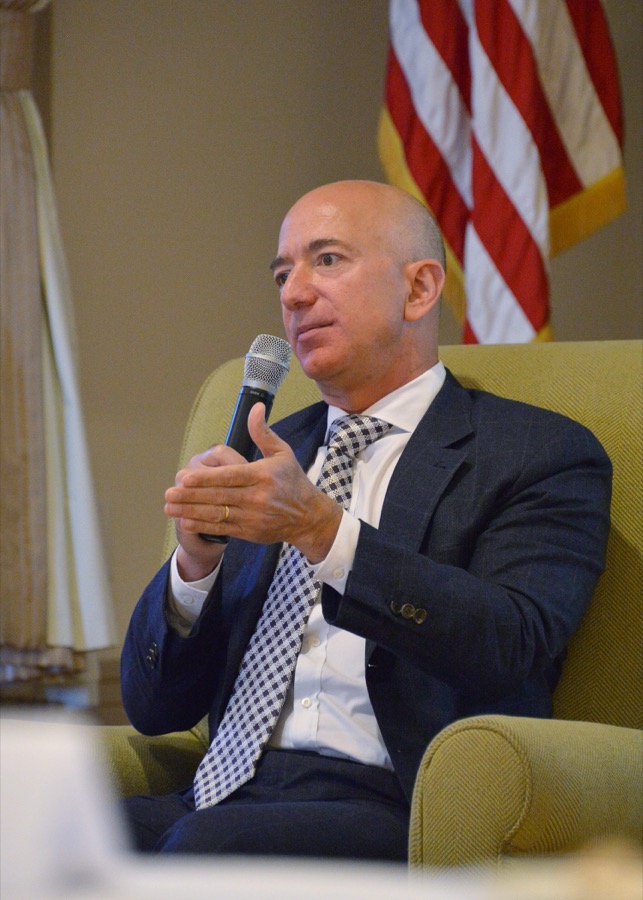
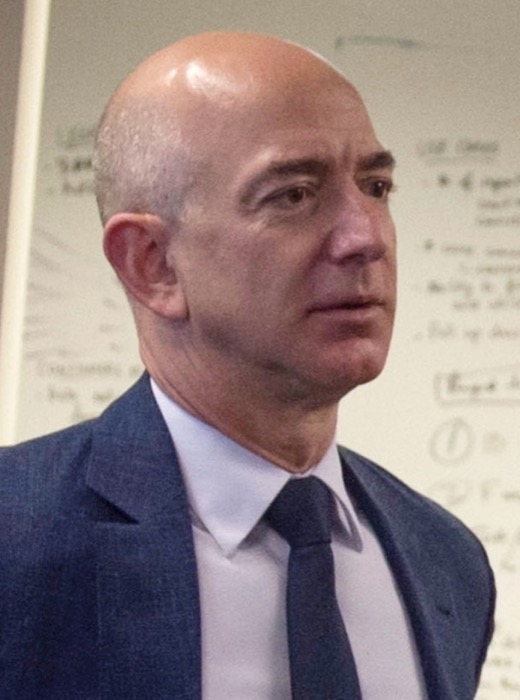

Historical photographs via Wikimedia Commons (public / CC-licensed sources). See media attribution.
Why we exist
Independent sellers built careers, payrolls, and product lines on Amazon. Many are exhausted — by opaque enforcement, uneven competition, and support that feels automated into indifference. Walking away is one answer. Showing up with a better ask — the same constructive hunger Bezos celebrated in customers — is another.
Sudden metrics shifts, opaque risk scoring, and “fix it” loops that never explain what fixed means.
Sellers invest days writing plans of action that get rubber-stamped or ignored — with no path to a human who can reason.
Rules change overnight. Enforcement feels uneven. Brands that play fair watch bad actors skate while compliance costs climb.
Fees, advertising, and logistics stack until the only “winners” are those who can outspend — not outserve — the customer.
An open posture
We built businesses because your marketplace works. We stay because our customers are there. We speak up because the partnership is fraying — and both sides lose when trust erodes.
We are not asking you to abandon automation, scale, or customer obsession. We are asking for due process that a serious operator can understand; policies enforced with consistency; and a path to a human when the stakes are a livelihood, not a return label.
Sellers who invest in quality, compliance, and long-term brand building should not feel like they are one unexplained metric away from zero. Fairness is not softness. It is infrastructure for the marketplace you want a decade from now.
We will organize our feedback, document patterns, and show up ready to solve — not only to complain. Meet us there.
— Sellers who remain invested in the platform
How we work
Inspired by the cooperative instinct of sellers helping sellers — without co-opting anyone’s brand. Our priority is your voice, amplified constructively. Thank the infrastructure. Fix the friction.
Frustration is real. Burning the marketplace that built your brand rarely helps. We channel discontent into clear asks Amazon can act on.
Isolated tickets disappear. Patterns don’t. When sellers surface the same issues with data and dignity, the room listens differently.
Healthy marketplaces need due process, transparent policy, and room for independent brands to invest for the long term — not just this quarter’s ad spend.
Amazon wins when sellers thrive. Sellers win when Amazon is a reliable partner. We’re here for that shared future — not a divorce letter.
Join
Leave your details. Tell us what hurts. We’ll use the aggregate picture to shape letters, briefings, and campaigns that treat Amazon like a partner who can improve — because that’s how lasting change actually happens.
Together we are clearer. Together we are harder to ignore. Together we stay builders, not just bystanders.